.svg)


- Home
- Dental Implants
- Natural-Gum Implants (FP1)
Dental Implants With Natural Gums in Arvada, CO


Real Gums. Permanent Teeth.
What Are FP1 Dental Implants?
The Benefits of Natural-Gum Implants
.svg)
No Fake Gums: Your teeth meet your real gum line, with no pink acrylic or porcelain band that can show when you smile or laugh.
Natural Look Up Close: Individual-looking teeth with natural gum contours hold up in close conversations and photos.
Easier to Clean: Slimmer, tooth-only bridges let you brush and floss or use a water flosser around each tooth, much like natural teeth.
Less Bulk: No thick gum base over your ridge, so comfort and speech often feel closer to natural teeth.
Preserves Bone and Tissue: FP1 planning focuses on keeping the bone and gum you have, rather than reducing bone to make room for a bulkier prosthesis.
Fixed and Permanent: Your teeth are anchored to implants. No adhesive, no taking them out at night, and no slipping.
Eat What You Love: Once healing is complete, enjoy a full diet and chew with confidence.
What to Expect: The FP1 Process
Consultation and CT Scan
Treatment Planning
Gentle Extractions and Tissue Preservation
Guided Implant Placement
Temporary Teeth and Gum Shaping
Final Zirconia Teeth
Are You a Candidate for Natural-Gum Implants?
Recovery and Aftercare
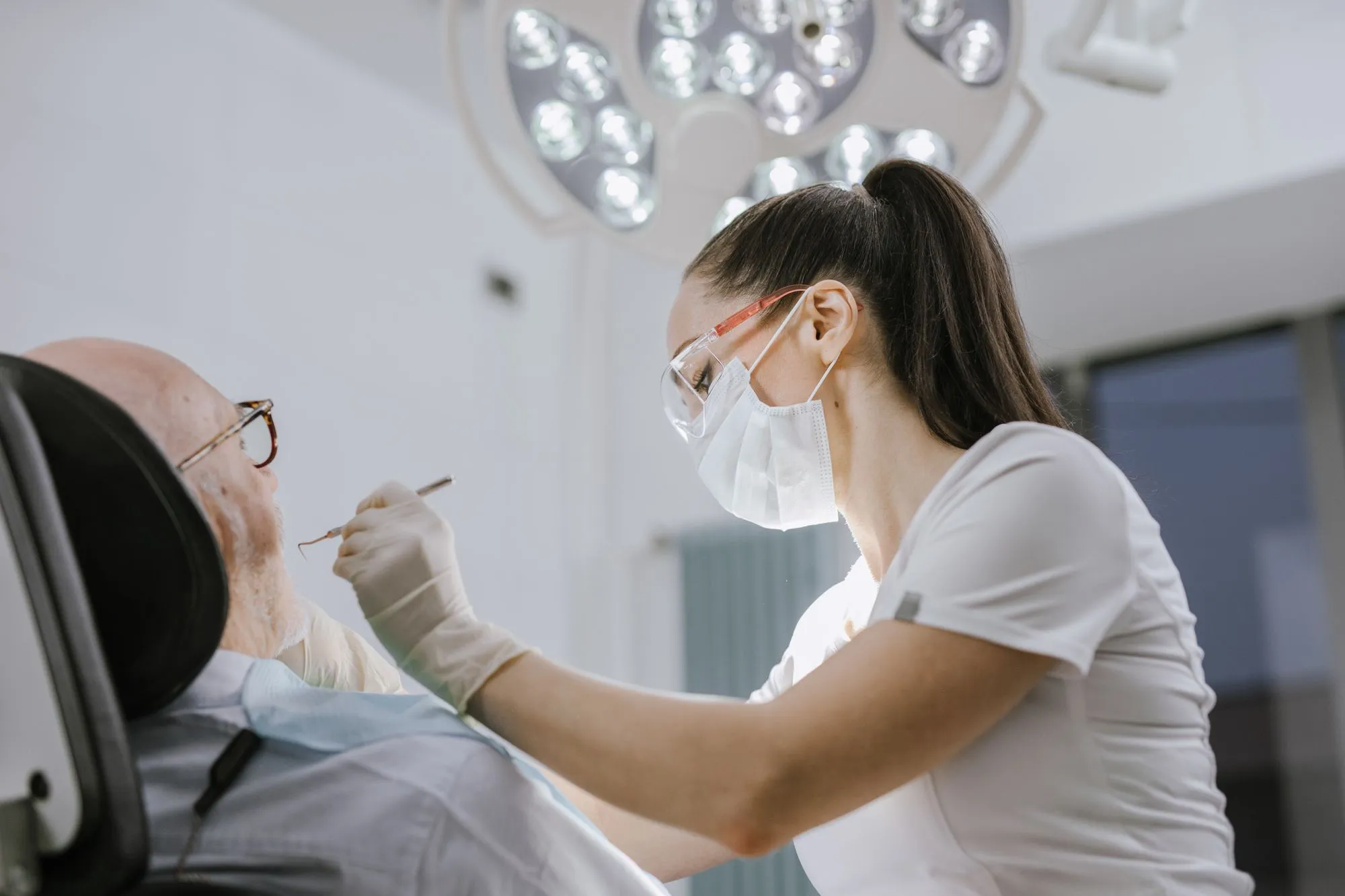
How We Plan Your FP1 Implants With Precision
Flexible Financing for Natural-Gum Implants

FP1 implants are a significant investment in your health and confidence, and we work hard to make them accessible. We accept CareCredit, Cherry Payment Plans, Sunbit Finance, PatientFi, Proceed Finance, and LendingClub, as well as cash, check, and credit cards.
See If You Qualify for Natural-Gum Implants


Why Choose Arvada Dental Center & Implants for FP1?
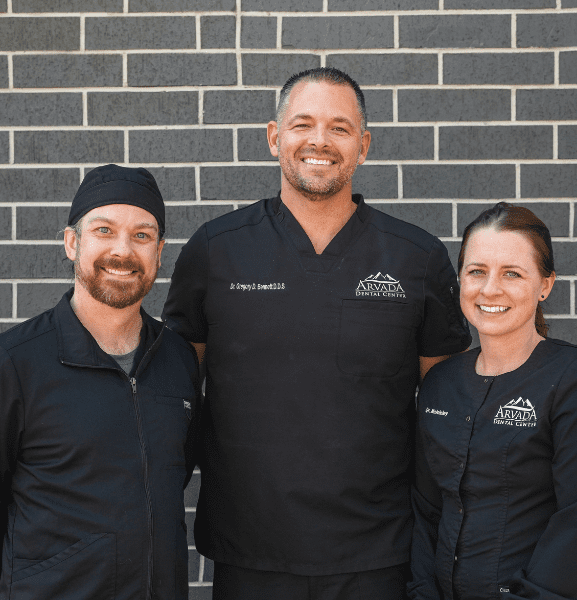
Over a dozen financing partners, membership club savings, and thorough insurance coordination help make natural-gum implants accessible for patients across every budget.
FAQs
Yes. Healthy gum tissue heals and seals around a dental implant, forming a protective collar. It does not attach exactly the way it does to a natural tooth, because implants have no ligament, so keeping that seal healthy depends on good home care and regular cleanings. With FP1, we use your temporary teeth to guide this tissue into natural-looking contours before your final teeth are made.
They are full-arch implant restorations, called FP1, that replace only your teeth. Instead of a pink acrylic or zirconia gum base, your implant teeth come out of your own gum tissue, which we preserve and shape during treatment. The result looks and cleans much more like natural teeth.
Single implants and small implant bridges do not use fake gums. Some full-arch restorations do. When bone and gum have been lost, FP3 bridges, including many All-on-4 cases, add gum-colored material to fill the gap. FP1 restorations skip the fake gums entirely and rely on your natural tissue.
FP1 replaces only the crowns and looks like natural teeth coming out of the gums. FP2 replaces the crowns plus part of the root area, so the teeth look slightly longer but still have no pink gum. FP3 replaces both the teeth and missing gum with gum-colored material. Which one fits you depends on how much bone and gum tissue you have.
3 on 6™ is a trademarked brand name for a specific protocol that uses six implants and three bridge sections, and it is one example of a natural-gum approach. We are not affiliated with that brand. We perform FP1 full-arch implants that retain and reshape your natural gum tissue with the same goal: permanent teeth without fake gums.
Gum tissue settles around the implant crown as it heals, and the shape of the crown helps support it. The small points of gum between teeth, called papillae, are the hardest to recreate. That is why we plan implant spacing carefully and shape your temporary teeth to encourage fuller, natural contours.
Often, yes. FP1 usually requires more detailed planning, may use more implants, and sometimes needs grafting. At your consultation we give you a written treatment plan with costs, and we offer more than a dozen financing partners to help spread payments out.
Gum-colored material is part of some full-arch implant bridges and dentures, but it is not a treatment for receding gums around your natural teeth. Receding gums are usually treated with periodontal care or gum grafting. If you have receding gums and failing teeth, we will explain whether gum treatment, FP1 implants, or another option makes the most sense.
There is no implant that grows new gum. The phrase usually refers to the pink, gum-colored portion of an FP3 implant bridge or a denture. FP1 avoids artificial gum altogether by keeping and shaping your own tissue.
Some gum tissue can creep over a healing cap while you heal, especially if the cap is short or your tissue is thick. It is common and usually simple to manage. Call us if you notice it, if the area is sore, or if a cap feels loose, and we will take a look.
FP1 may not be the best choice if you have significant bone loss, very thin or unhealthy gum tissue, active gum disease that has not been treated, uncontrolled diabetes, or heavy smoking. In those cases an FP2, FP3, or All-on-X bridge can still give you fixed, beautiful teeth.
It depends on your bone and bite. Many FP1 full-arch cases use six or more implants per arch, with the teeth made as one piece or in segments. Dr. Bennett customizes the number for your case.
Most patients finish over several months: implants and temporary teeth first, then healing and gum shaping, then final zirconia teeth. Grafting can add time. We give you a clear timeline at your consultation.
Implants are designed to last decades with good care and regular checkups. Zirconia teeth are very durable and stain resistant, but like any restoration they may eventually need repair or replacement after many years of wear.
Some dental plans contribute toward parts of implant treatment, such as extractions, surgery, or crowns. Coverage varies by plan, so we verify your benefits and explain what to expect before treatment begins.